
+$6,000
Kansas students - 3.70 GPA
ACT 22 to 25 moves from $2,500/year to $4,000/year.
Four classes during ACT week
KC Cram Course gives students four 90-minute ACT classes during the week before the test. We work on timing, common mistakes, and what to do when students get stuck on a question.
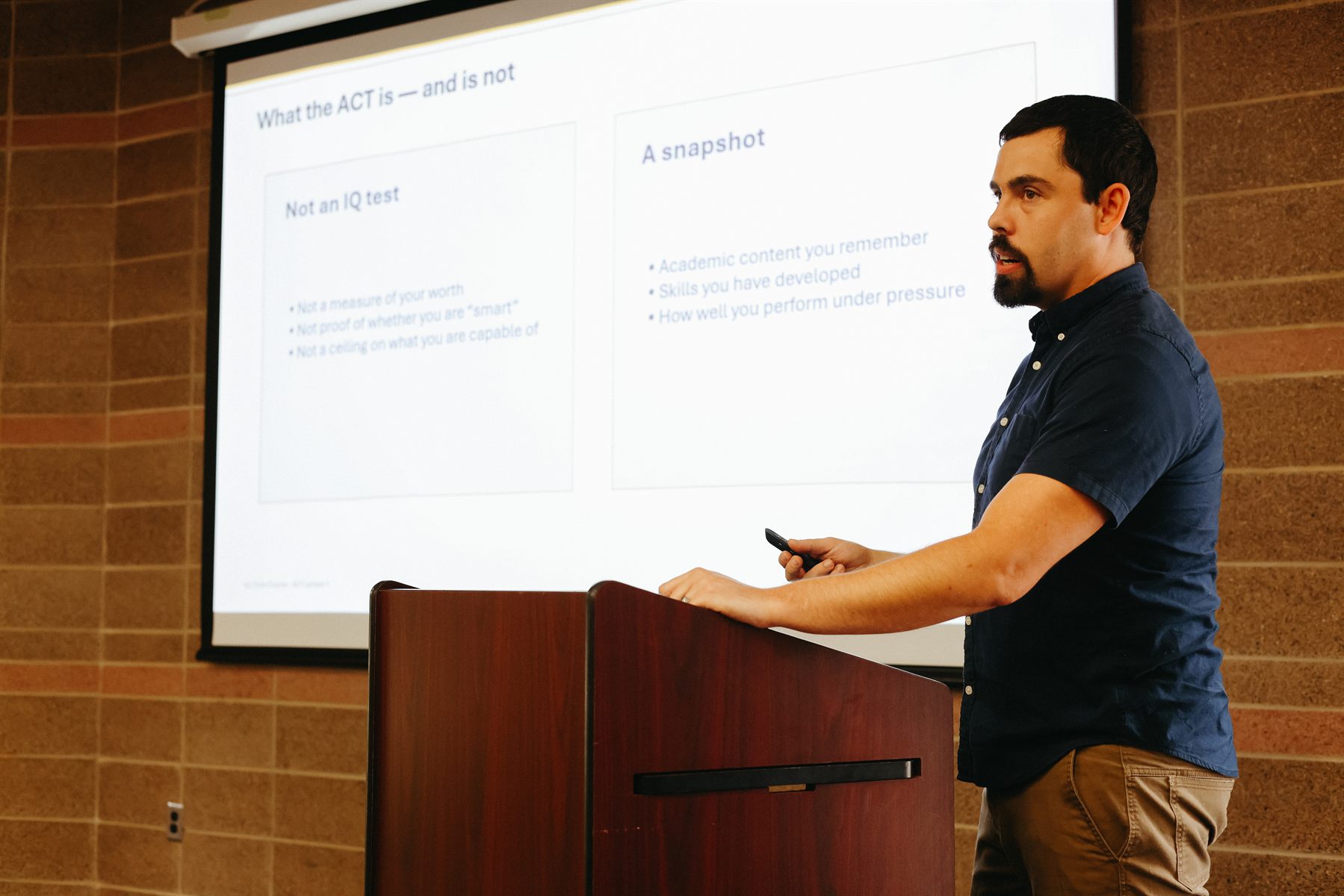
Local and personal
Personal instruction from a Kansas City high school teacher.
Average recent gain
+5 to +6
points, with larger jumps for some students
What it is
Students work through real ACT questions and practice how to handle them. We cover when to keep working, when to move on, how to recover lost time, and how to recognize common traps.
See upcoming datesWho it is for
This course is a good fit for students who understand much of the material but work too slowly, get stuck, misread questions, or approach each practice test differently.
How it worksWhy it works
Students need to recognize which questions deserve more time, which details matter, and when it is time to make the best choice they can and move forward.
Meet the instructor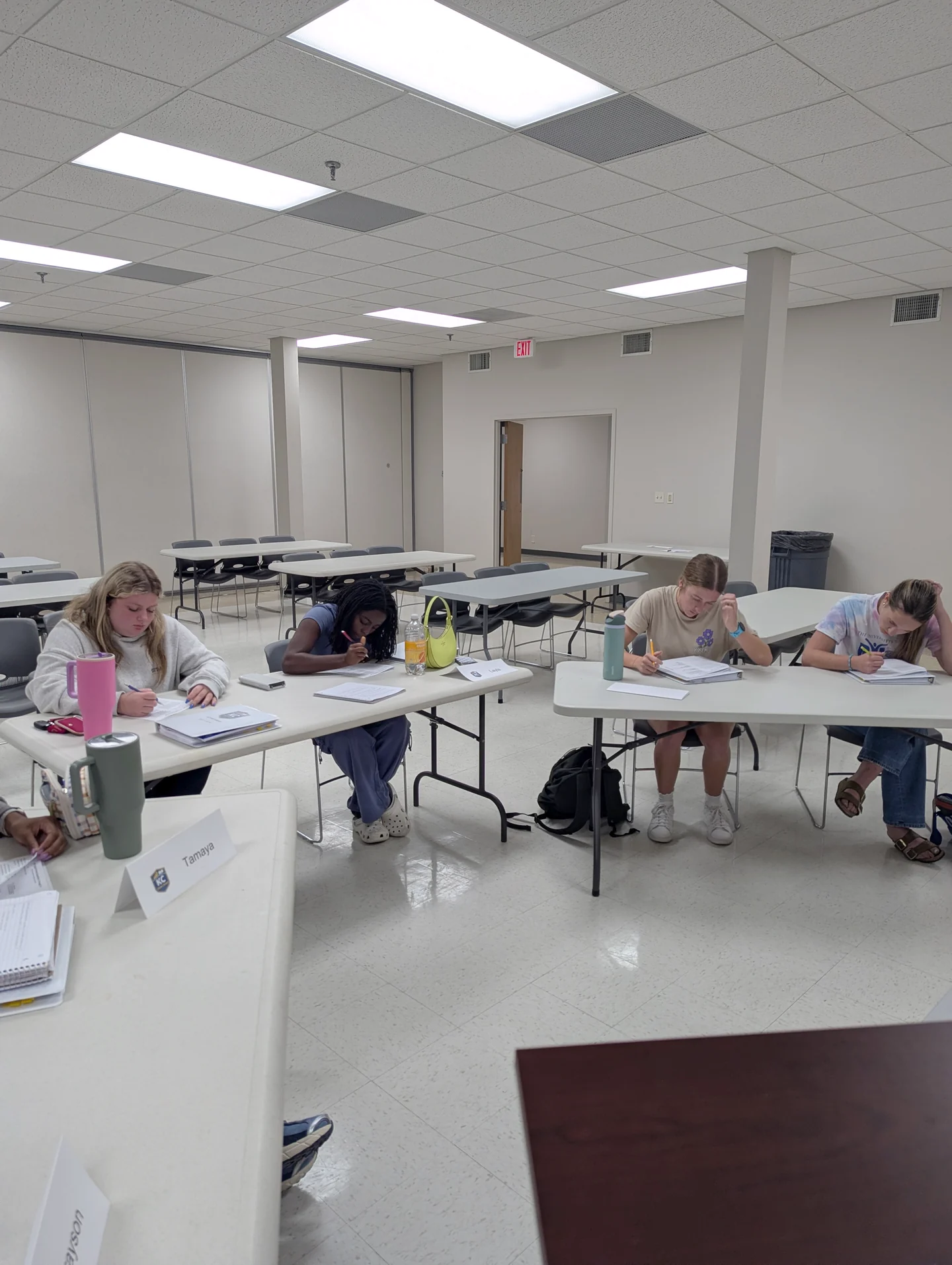
“The time went quickly and I learned something every night.”
Real student results
Results vary because students begin in different places and put in different amounts of work. These scores show what has happened when students have corrected recurring mistakes and practiced a more disciplined approach to the test.
What that can mean in dollars
A few ACT points can have a surprisingly large effect on merit aid. These examples come from published scholarship tables. At some schools, moving from one score tier to the next can be worth thousands of dollars over four years.
+$6,000
Kansas students - 3.70 GPA
ACT 22 to 25 moves from $2,500/year to $4,000/year.
+$16,000
University of Missouri-Kansas City
Kansas and Missouri students
ACT 25 to 30 moves from $3,500/year to $7,500/year.
+$52,000
Out-of-state students
ACT 23 to 30 moves from $8,500/year to $21,500/year.
"I saw a big improvement in my score and even got above my target."Ariel S.
"The strategies and pacing systems made a huge difference on test day."Maddox H.
"I walked into the ACT with a clear plan for every section."Jack R.
"I gained the appropriate time management skills to utilize during the test. I definitely felt more confident."Harper W.
Parent perspective
"Thank you for the preparation and confidence you gave my daughter. It was a great, affordable option that I would highly recommend to other parents."Rebecca W.
ACT prep questions
This course is most useful for a student who understands much of the material but is losing points to timing, inconsistent methods, careless errors, or uncertainty about what to do next. Students who need extensive instruction in foundational math or reading will usually benefit from a longer period of preparation.
It depends on the student and the schools being considered. If one or two additional points move a student into a higher scholarship tier, the financial return can be much larger than the price of the course. Our scholarship calculator uses published university information to help families investigate that question.
See scholarship examplesStudents can correct timing habits, practice a consistent approach to each section, and identify which mistakes are most worth addressing before Saturday. The goal is to make a few important changes that students can remember and use.
The final week is useful because students can practice a strategy in class and use it on the ACT a few days later.
Limited seats
I limit the number of students in each class so I can answer questions, watch how students are working, and help them identify the problems that are costing them points. Check the schedule to see whether there is space in the class for your ACT date.